DMA cheats vs 2PC AI: same idea, very different futures
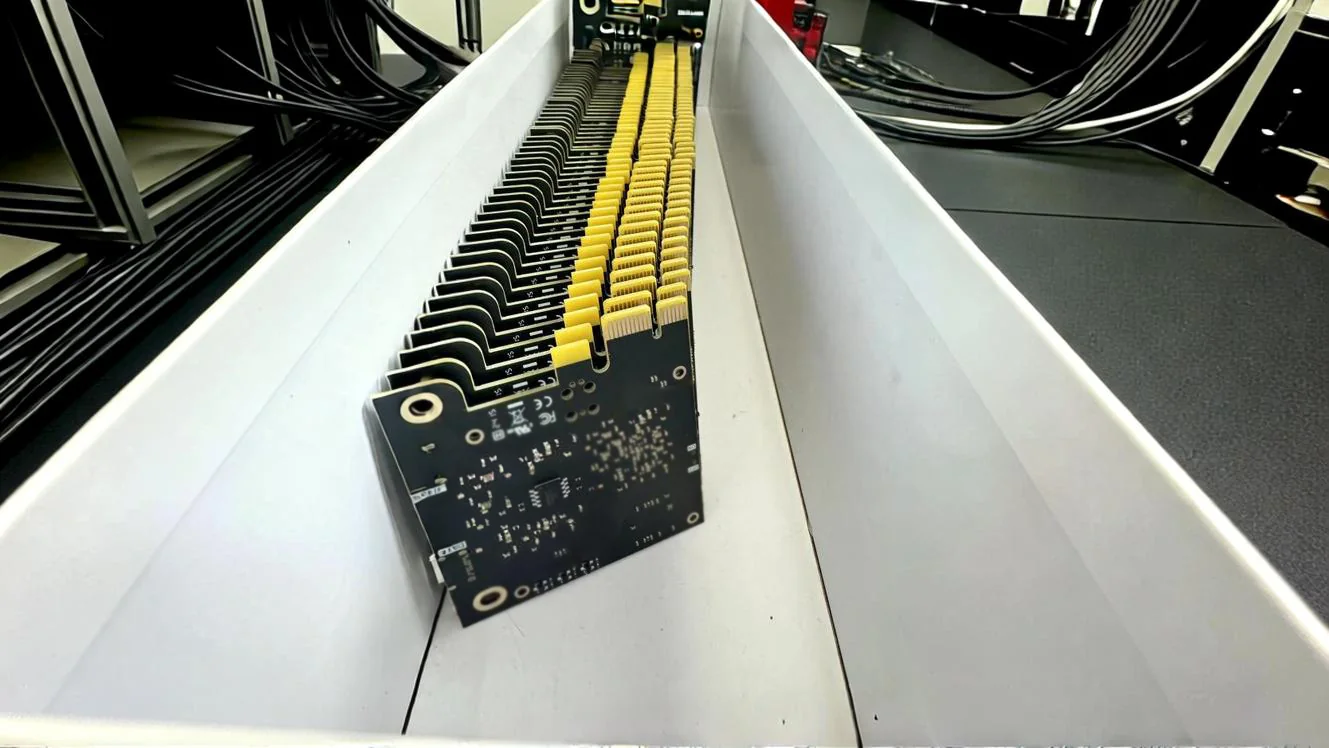
Both DMA cheats and 2PC AI aimbots are sold as "external". Both claim to bypass kernel-level anti-cheats. Both are expensive up-front. But they're fundamentally different under the hood, and their futures don't look alike.
What DMA cheats actually are
DMA (Direct Memory Access) cheats use a PCIe DMA card plugged into your gaming PC, connected to a second PC. The DMA card reads the gaming PC's RAM directly over PCIe, bypassing the OS entirely. The second PC analyzes that memory to find player positions, health bars, weapons, item drops, everything.
You end up with ESP (wallhack) and aimbot features driven by game state reads, just like an internal cheat, except the reads are happening from a physically external device.
Why DMA got popular
Rich features. Because DMA reads real game state, you get perfect information. Enemy positions are exact, not pixel-inferred. Health bars, weapon types, item drops, all of it directly from memory.
Works for games where AI vision struggles. Tarkov, Rust, and tactical shooters where player silhouettes are hard to distinguish from environment via pure pixel analysis are easier to cheat at via DMA than via AI vision.
Why DMA is now on shaky ground
Anti-cheats have been catching up. Detection methods include:
- Timing attacks: anti-cheat issues read patterns to specific memory regions and measures response timing. DMA reads create consistent latency signatures different from CPU reads.
- PCIe enumeration checks: the anti-cheat scans for unexpected devices on the PCIe bus and flags known DMA card vendor IDs.
- Memory access pattern analysis: looking for reads to game-state addresses that are suspiciously consistent across play sessions.
Vanguard reportedly started rolling out DMA-specific detections through 2024 and 2025. Faceit AC has similar efforts underway. CS2's VAC is slower but getting there.
The detection vector is real because DMA, even though the cheat is "external", still has to touch the gaming PC's hardware (the PCIe bus). That's a detection surface. A small one, but a real one.
Why 2PC AI aimbots don't have this problem
2PC AI doesn't read memory. It reads pixels, from a capture card, on a physically separate computer.
There is no PCIe bus interaction on the gaming PC. There's no memory read timing to analyze. The anti-cheat literally cannot see across an HDMI cable. A 2PC AI aimbot doesn't present a detection surface because it never connects to the gaming PC in any way an anti-cheat can inspect.
This is the architectural difference, and it's why 2PC AI has a longer horizon than DMA.
Trade-offs, honestly
DMA has real advantages:
- Works in games where pixel-based AI detection is hard (Tarkov, Rust, EFT-adjacent)
- Perfect game-state info (health, weapons, items, not just enemy locations)
- Single-PC setup possible (just add the DMA card, no second computer)
2PC AI has real constraints:
- Needs the AI model trained specifically for each game
- Currently strong in Valorant and CS2, weaker in games with harder visual distinction
- Two-PC setup is a real commitment (space, wiring, second OS to maintain)
If you play Tarkov, DMA is probably still the right answer, detection risk and all. If you play Valorant or CS2, 2PC AI is winning the undetectability race by a wide margin.
Where this ends
DMA vendors will pivot. Some already are, layering "AI-DMA" hybrids that combine memory reads with vision analysis. Others will slowly lose users to pure 2PC AI as Vanguard and Faceit close the timing-attack gap.
The quiet truth of the cheating market in 2026: hardware cheats that touch your gaming PC (DMA, driver-based internals, even dodgy USB gadgets) are all on a timer. Cheats that don't touch your gaming PC at all (2PC AI via capture card and HID aim device) aren't. That's the bet for the next few years, and why we built what we built.